
Fresh, quality food is one of the most important parts of a successful restaurant. Guests notice the flavor, texture, appearance, and overall consistency of every dish, making ingredient quality a priority from delivery through service. Maintaining that quality requires more than selecting good ingredients. Restaurants also need thoughtful storage practices, reliable equipment, careful preparation procedures, clean facilities, and dependable suppliers. When these pieces work together, restaurants can create meals that meet expectations while protecting the reputation they have worked hard to build.

Build Strong Relationships With Food Suppliers
The quality of a finished dish often begins long before ingredients reach the kitchen. Restaurants should develop relationships with suppliers that consistently provide fresh, properly handled products. Reliable suppliers can help restaurants maintain predictable quality while making it easier to plan menus around ingredient availability. It is useful to understand how products are sourced, packaged, stored, and transported before they arrive at the restaurant. Restaurants can also establish clear expectations regarding delivery schedules, product temperatures, packaging condition, and acceptable quality standards. Maintaining open communication with suppliers makes it easier to address concerns quickly when an order does not meet expectations. A dependable supply chain gives chefs and kitchen teams greater confidence in the ingredients they use every day.
Prioritize Proper Food Storage
Even the freshest ingredients can lose quality if they are stored incorrectly. Refrigerated and frozen products should be kept at appropriate temperatures, while dry ingredients need clean, dry storage away from moisture and potential contaminants. Restaurants should organize storage areas so that employees can easily identify products and use older inventory before newer deliveries when appropriate. Clearly labeling items with dates can help kitchen teams maintain better inventory control and reduce unnecessary waste. Shelving should also allow sufficient air circulation and keep food appropriately separated from floors, walls, cleaning supplies, and other unsuitable materials. Consistent storage practices protect the quality of ingredients and create a more organized kitchen environment.
Keep Kitchen Ventilation Clean
A clean kitchen supports both food quality and a healthier working environment. Cooking produces grease, smoke, steam, and airborne particles that can accumulate throughout ventilation systems over time. Regular restaurant hood cleaning services can help remove buildup from areas that are difficult for everyday kitchen cleaning routines to address. Keeping ventilation equipment clean can also support proper airflow and reduce the accumulation of grease in the cooking environment. Kitchen staff should still follow daily cleaning procedures for accessible surfaces, equipment, and work areas. Combining routine employee cleaning with appropriate professional maintenance by restaurant hood cleaning services helps establish a more thorough sanitation program. A cleaner cooking environment gives kitchen teams a better foundation for consistently preparing quality food.
Maintain Reliable Air Filtration
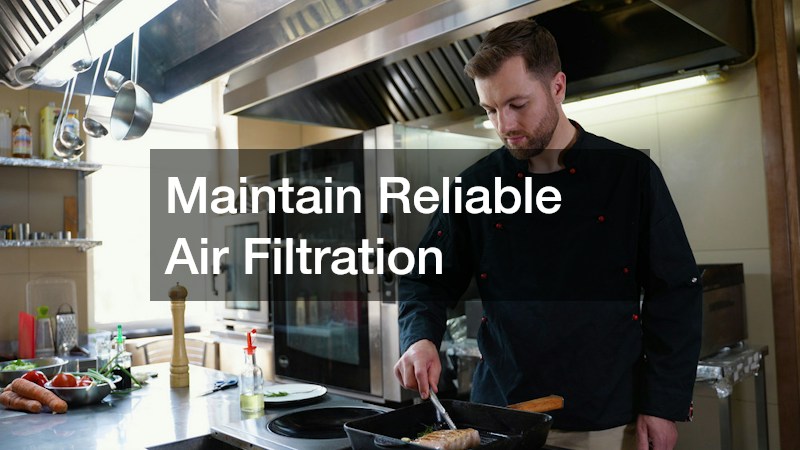
Ventilation is another important consideration when maintaining a commercial kitchen. Filters can collect grease and other particles as air moves through the system, potentially affecting airflow when they become heavily soiled. A consistent restaurant filter service schedule can help keep filtration components in suitable condition and support the overall performance of the ventilation system. Restaurant managers should understand the maintenance requirements of their specific equipment and follow appropriate replacement or cleaning schedules. Staff should also be encouraged to report unusual odors, reduced airflow, or other noticeable changes in kitchen ventilation. Maintaining filtration equipment is one part of keeping the kitchen environment cleaner and more functional. When ventilation systems receive consistent attention, they can better support the demands of a busy commercial kitchen.
Maintain Clean Cooking Equipment
Cooking equipment comes into direct contact with food throughout the day, so cleanliness should be a consistent priority. Grills, fryers, ovens, ranges, cutting surfaces, mixers, and other equipment should be cleaned according to appropriate procedures and schedules. Grease and food residue can accumulate quickly in a busy kitchen, particularly around high-use cooking stations. Employees should understand which cleaning products and methods are appropriate for each piece of equipment. Cleaning schedules can be divided into tasks performed throughout the day, after service, and during deeper maintenance periods. Keeping equipment clean helps prevent old residue from affecting the flavor or appearance of freshly prepared food. It also supports a more organized kitchen where employees can work efficiently.
Manage Grease Responsibly
Grease management is an important part of maintaining a functional commercial kitchen. Fats and oils can accumulate in plumbing systems and create unpleasant odors or drainage problems when they are not handled properly. Regular attention to restaurant grease traps can help reduce the likelihood of excessive buildup and related operational problems. Kitchen employees should understand what substances should and should not enter drains, while managers should maintain appropriate cleaning and service schedules. Used cooking grease should also be collected and handled according to applicable requirements rather than being disposed of through ordinary plumbing. A proactive approach can help keep kitchen operations moving smoothly. Proper grease management supports sanitation while reducing avoidable disruptions during busy service periods.
Use Consistent Preparation Practices
Fresh ingredients still require careful preparation to produce consistently high-quality meals. Kitchen teams should follow established procedures for washing, cutting, seasoning, cooking, cooling, and storing food. Consistency is particularly important when multiple employees prepare the same menu items during different shifts. Written recipes and preparation guidelines can help reduce variations in portion sizes, flavor, and presentation. Employees should also understand the importance of preventing cross-contact between raw and ready-to-eat foods. Organized workstations can make it easier to keep ingredients separated and maintain an efficient preparation process. When everyone follows the same standards, customers are more likely to receive the quality and consistency they expect.

Protect the Integrity of Specialty Menus
Restaurants that specialize in particular culinary traditions need to pay close attention to ingredient quality and preparation details. A menu centered on fine dining may depend on premium ingredients, careful presentation, and precise cooking techniques. Maintaining those standards requires attention throughout the entire process rather than relying solely on the final plating. Chefs and kitchen managers should evaluate ingredients as they arrive and maintain storage conditions that preserve their intended characteristics. Preparation should emphasize consistency without sacrificing the qualities that make each ingredient distinctive. Staff training can also help ensure that presentation and service standards remain consistent during busy periods. Protecting the details behind specialty menus allows restaurants to deliver an experience that matches their culinary identity.
Source Authentic Ingredients Carefully
Restaurants built around a particular cuisine should carefully consider the ingredients that define their menu. For establishments specializing in Italian cuisine, for example, ingredients such as tomatoes, cheeses, olive oil, pasta, herbs, and cured products can play an important role in creating recognizable flavors. Restaurants should evaluate suppliers based on product quality, consistency, freshness, and appropriate handling practices. Seasonal availability may also influence which ingredients are practical to feature at different times of the year. Chefs can work with suppliers to identify products that meet the restaurant’s standards while maintaining reasonable inventory levels. Careful sourcing helps preserve the character of a menu while giving kitchen teams dependable ingredients to work with.
Handle Cooking Oil Properly
Frying oil requires careful attention because its condition can influence the taste, appearance, and quality of cooked foods. Kitchen staff should understand the appropriate procedures for checking oil condition, maintaining fryers, and replacing oil when necessary. Used oil should be stored and collected safely rather than poured into drains or discarded improperly. Establishing a relationship with a provider that handles restaurant oil recycling can give businesses an organized way to manage used cooking oil. Recycling can also keep waste oil out of plumbing systems and provide an alternative to unnecessary disposal. Managers should establish clear procedures so employees know where used oil belongs and how it should be handled. Proper oil management contributes to cleaner operations and more consistent fried foods.

Prepare for Off-Site Food Service
Restaurants that also operate a catering service face additional challenges when protecting food quality outside the primary kitchen. Food may need to be prepared, packaged, transported, held, served, and potentially returned to the kitchen under different conditions. Staff should understand the importance of maintaining appropriate temperatures and protecting prepared food from contamination throughout the process. Packaging should also be selected based on the type of food being transported and how long it will remain in transit. Menus may need to be adjusted depending on the event location, available equipment, and expected service timeline. Careful planning helps ensure that food prepared for an off-site event maintains the same standards expected inside the restaurant.
Pay Attention to Food Transportation
Quality can decline rapidly when food is not transported under suitable conditions. Restaurants that receive frequent deliveries should have procedures for accepting shipments, inspecting products, and moving ingredients into appropriate storage promptly. Temperature-sensitive foods require particular attention because extended exposure to unsuitable conditions can compromise quality. Reliable food logistics and transportation can help restaurants maintain better control over the movement of ingredients from suppliers to the kitchen. Delivery schedules should also align with storage capacity and expected menu demand whenever possible. Employees receiving deliveries should know what to look for when inspecting packaging, temperatures, quantities, and product condition. A careful receiving process gives restaurants an opportunity to identify potential problems before ingredients enter the kitchen.
Keep Ice Clean and Reliable
Ice is sometimes overlooked when restaurants evaluate food quality, yet it can be an important part of beverages, food displays, and certain preparation processes. Ice machines need regular cleaning and maintenance because moisture and food-service environments can create conditions where unwanted buildup develops. Restaurants should follow the manufacturer’s recommended maintenance procedures and keep the surrounding area clean. When replacing an aging unit or expanding beverage service, professional ice machine installation can help ensure that equipment is appropriately positioned and connected. Employees should also avoid handling ice with bare hands or using containers that are not intended for the purpose. Treating ice as a food product rather than simply a utility helps reinforce consistent sanitation practices throughout the restaurant.
Maintain Clean Delivery Areas
The areas where ingredients enter the restaurant deserve the same attention as the kitchen itself. Receiving docks, storage rooms, carts, containers, and delivery equipment can become dirty when they are used continuously throughout the day. Food should be moved from delivery areas into appropriate storage as efficiently as possible. Employees should also keep food away from chemicals, waste containers, and other materials that could compromise product quality. Restaurants that rely on specialized transportation should verify that food is handled using appropriate equipment and procedures. Food grade product hauling is particularly relevant when products require transportation in environments designed to protect their suitability for food-related use. Keeping receiving and transportation practices organized helps reduce opportunities for contamination before ingredients ever reach the preparation area.

Train Every Member of the Kitchen Team
Even the best equipment and procedures are only effective when employees understand how to use them. Food quality standards should be communicated clearly during onboarding and reinforced through ongoing training. Employees should know how to receive deliveries, store ingredients, clean workstations, handle raw and prepared foods, and identify products that no longer meet restaurant standards. Managers can use written procedures and checklists to make expectations easier to follow across different shifts. Training should also explain why each practice matters instead of focusing solely on rules. When employees understand how their individual responsibilities affect the finished meal, they are more likely to take ownership of food quality. A knowledgeable team creates consistency even when the restaurant becomes busy.
Reduce Waste Without Sacrificing Quality
Restaurants can improve efficiency by managing inventory carefully without allowing cost concerns to compromise food quality. Ordering too much can result in unnecessary spoilage, while ordering too little may create shortages that affect the menu. Tracking purchasing patterns and ingredient usage can help managers make more informed ordering decisions. Chefs can also design specials around ingredients that need to be used while they are still at their best, provided those products remain suitable for service. Proper portion control can reduce waste while maintaining consistent customer experiences. Storage organization makes it easier to identify products before they reach the end of their useful life. A thoughtful inventory system supports both responsible resource management and dependable food quality.
Fresh, quality food is the result of many small decisions made throughout a restaurant’s daily operations. Quality should not be treated as a one-time initiative or something that matters only during inspections. Instead, it should become part of the restaurant’s everyday culture, from receiving the first delivery of the day to serving the final guest. When every team member understands the importance of protecting ingredients and maintaining clean, organized operations, consistency becomes easier to achieve. That commitment can help restaurants provide meals that customers enjoy and feel confident ordering again.